Burntisland.

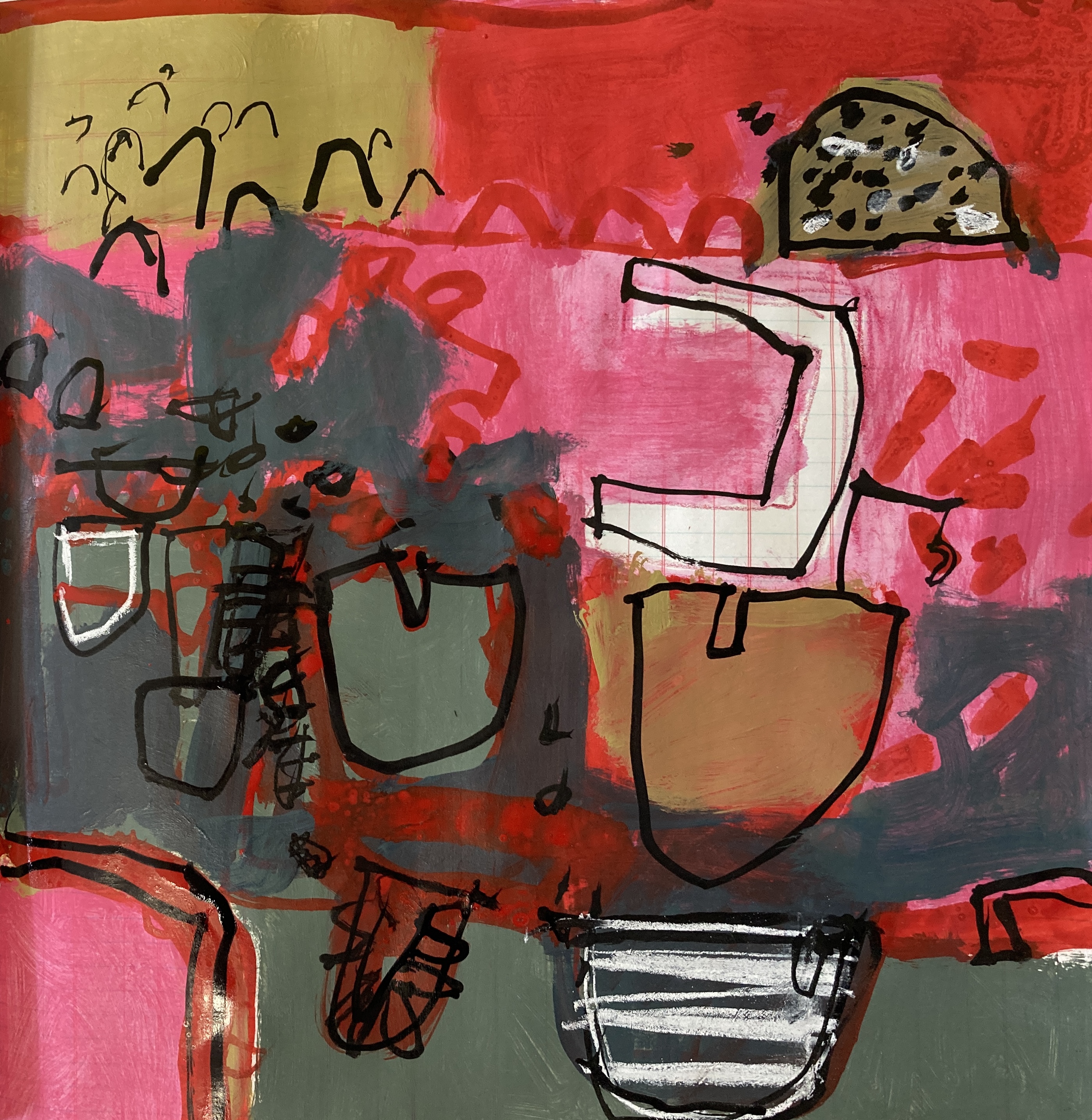
A keen north wind blows street sweepers and the weekend’s litter from the funfair past shuttered shops on an early Monday morning, past the Smugglers Inn promising karaoke, down to the harbour and shipyard. An enormous crane with two prancing horses emblazened on its yellow cab rattles its chains. Rusting hulks of vessels moor at the old pier while the former fabrication shed now servicing a decomissioning company shows little sign of life at this hour. The public road ends at a dentist. The sign says – ‘International smiles’. I ponder this as a blonde woman emerges, her hair wispy, soft in the wind in contrast to the tamed, coiled submarine cables, wound on giant bobbins of steel. Beyond, a graveyard for marine buoys, barnacle encrusted, paint salt faded, they lie at odd angles, defunct, silent, dead like the once busy canteen where breakfast cereal boxes still lie on the dust covered tables in an aching gloom. I sit on a bench watching an occasional dance of an orange boiler suit and hard hat. Swifts carve out the air, as an Easyjet plane hovers over the Forth waiting for its slot to land. Behind, the city of Edinburgh hunkers under the hills, grey and more grey today bearing its northern soul of east coast introspection. I try a drawing to see how it feels and walk back through the town past a wee boy giggling with his grannie, carrying a yellow bucket and spade, past the candy floss stall waiting for business to pick up.
Drumcarrow, midsummer.

A walk with you all up the track, old friends, new faces. Up the hill, this iron age land of circles, defensive and home see us sitting and taking it all in. A sound bowl ushers in the poetry we made, me and her for this place on this day of light. Warm conversations and cups of tea. Time to leave and walk back a different way to the cars at the roadside where we all agree what a splendid time was had. We leave our words on the hill.

Thanks to Rebecca Sharp for our excellent collaboration on this site specific, poetry and walking performance.

Terminal.

Ebb tide, mudflats. Scrap metal craning into a waiting ship. The red of the Forth rail bridge, pilings, slack water. A corroding ferrous tang.

The Road.

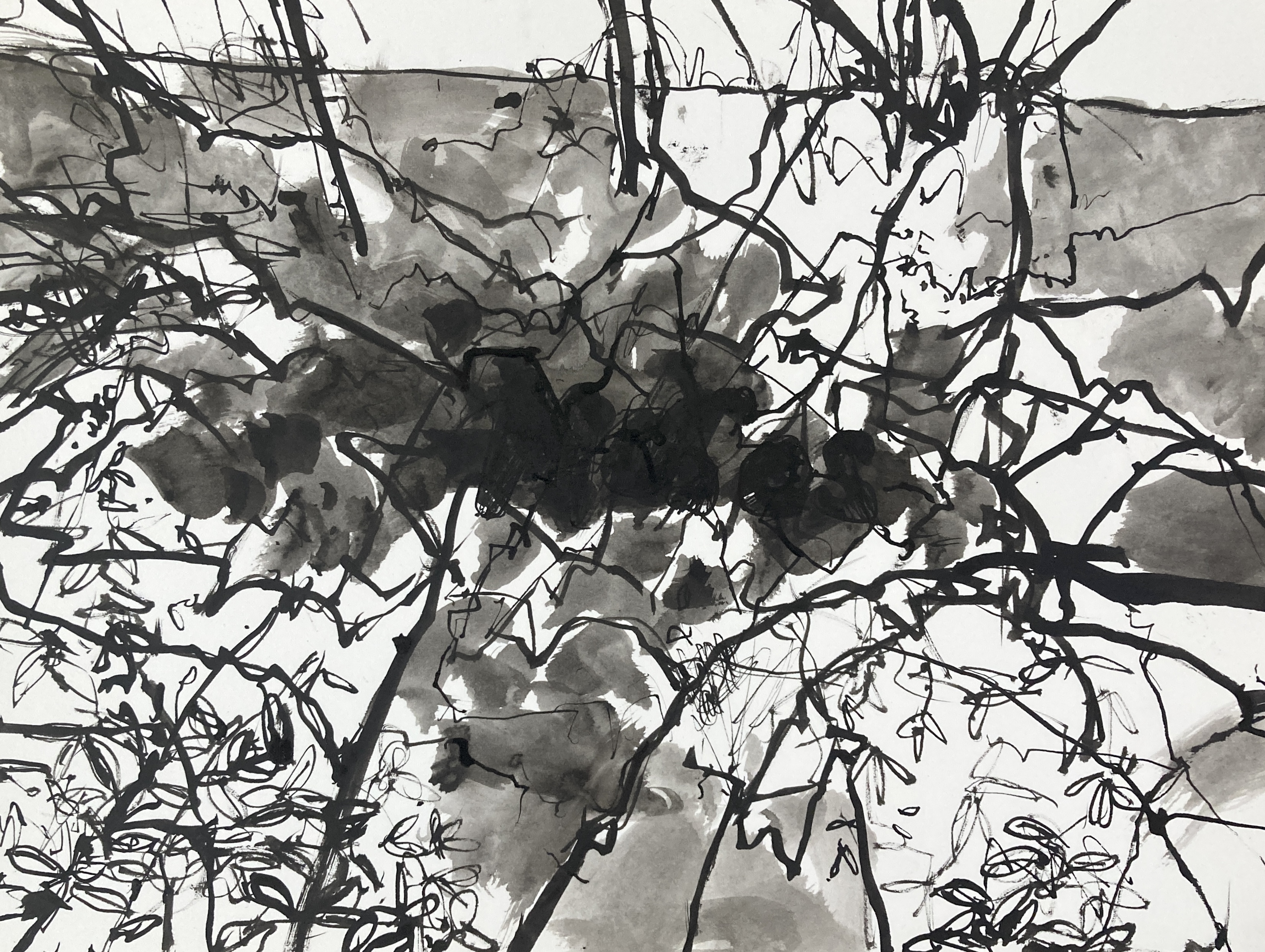
A wild road. Roodyards, a small highway, bounded by high walls and fencing connected Broughty Ferry Road and East Dock street in Dundee. It runs north south, overlooking a four lane thunderous dual carriageway, the east coast mainline train track, gas works, the docks and finally to the Tay. This crumbling one hundred and fifty metre crumbling tarmacadammed thoroughfare is now abandoned, left to its own devices. It is impossible to see its entire length, now overgrown with bramble, dockan, buddleia and more, you get the picture. On the left is an old cemetery, it lies beyond the old city limits, originally the final resting place for strangers and seafarers, their small headstones simply declaring their date of death and surname. To the right stood a factory, the ground now levelled, fenced, cctv’d. Once shipyard workers would have climbed this small incline to the pub at the top. Now young Dundonians tag the fences and walls, discarded bottles and househld dumpings furnish this space. Yet, the wildness of this corridor pushes out and through and up. A friend and I attempt an inventory of the plant species present. We find 41, not counting grasses, there are proabably more but here are a few -toadflax, bristly ox-tongue, shining cranesbill, maidenhair spleenwort, danes blood, stinking hawksbeard as well as bees, butterflies and a pair of juvenile wrens. All of these flourish in the midst of the city’s incessant momentum, a reclamation, as exciting an exploration of any wild place, this road.

Observation.

A thief on the far shore pulls the water’s slick ripples towards them like a magician’s trick. I watch the ravelling of the sky on the loch.